You know the moment. You bend down to grab something off the floor and have to think about how you're going to get back up. Or you stand up from the couch a little slower than you used to, maybe with a hand on the armrest just in case.
Someone asks you to help carry groceries in from the car, and you hesitate — just for a second — before saying yes. Stairs feel a little steeper than they used to. Your knees announce themselves before you even move.
And somewhere in your head, a quiet voice says: "Well, I guess this is just what happens now."
Here's the truth: that voice is wrong. Not naive, not silly — just wrong. And it's worth challenging, because believing it is what actually keeps people stuck.
The Myth: "Stiffness and Weakness Are Just Part of Getting Old"
This is one of the most common — and most damaging — beliefs people carry into their 60s and beyond. It sounds reasonable. After all, everyone gets stiffer and weaker with age, right?
Not exactly. Some decline in mobility is a normal part of aging. But the degree of stiffness and weakness most people experience isn't caused by age itself — it's caused by what happens around age: less movement, less strength training, and years of "just being careful."
Aging doesn't take your strength and mobility away. Inactivity does — and inactivity is fixable at any age.
Plenty of people in their 70s and 80s move better than people twenty years younger, simply because they never stopped training their bodies. That's not luck or good genes. It's a direct result of what they've done consistently.
What's Actually Causing the Stiffness and Weakness
The real culprit has a name: sarcopenia, or age-related muscle loss. After about age 30, adults can lose 3–8% of muscle mass per decade if they aren't doing anything to counteract it — and that rate speeds up after 60.
Less muscle means less support for your joints. Less support for your joints means more stiffness, more compensating, and more of that careful, guarded way of moving that starts to feel like "old age."
Add in years of sitting more than moving, and the joints themselves lose range of motion simply from disuse. Your body adapts to what you ask of it — and if you're not asking much of it, it responds by doing less.
The good news is this cycle runs in both directions. Just as inactivity causes decline, the right kind of activity reverses it — often faster than people expect.
What a Real Mobility and Strength Program Actually Does
This isn't about becoming a bodybuilder or training like you're 25 again. It's about rebuilding the specific strength and movement patterns that make everyday life easier.
A proper program for this stage of life focuses on things that matter in real life:
- Getting up off the floor without needing to grab furniture or another person
- Carrying groceries, grandkids, or laundry baskets without your back or shoulders complaining
- Walking longer distances without running out of steam or needing to stop and rest
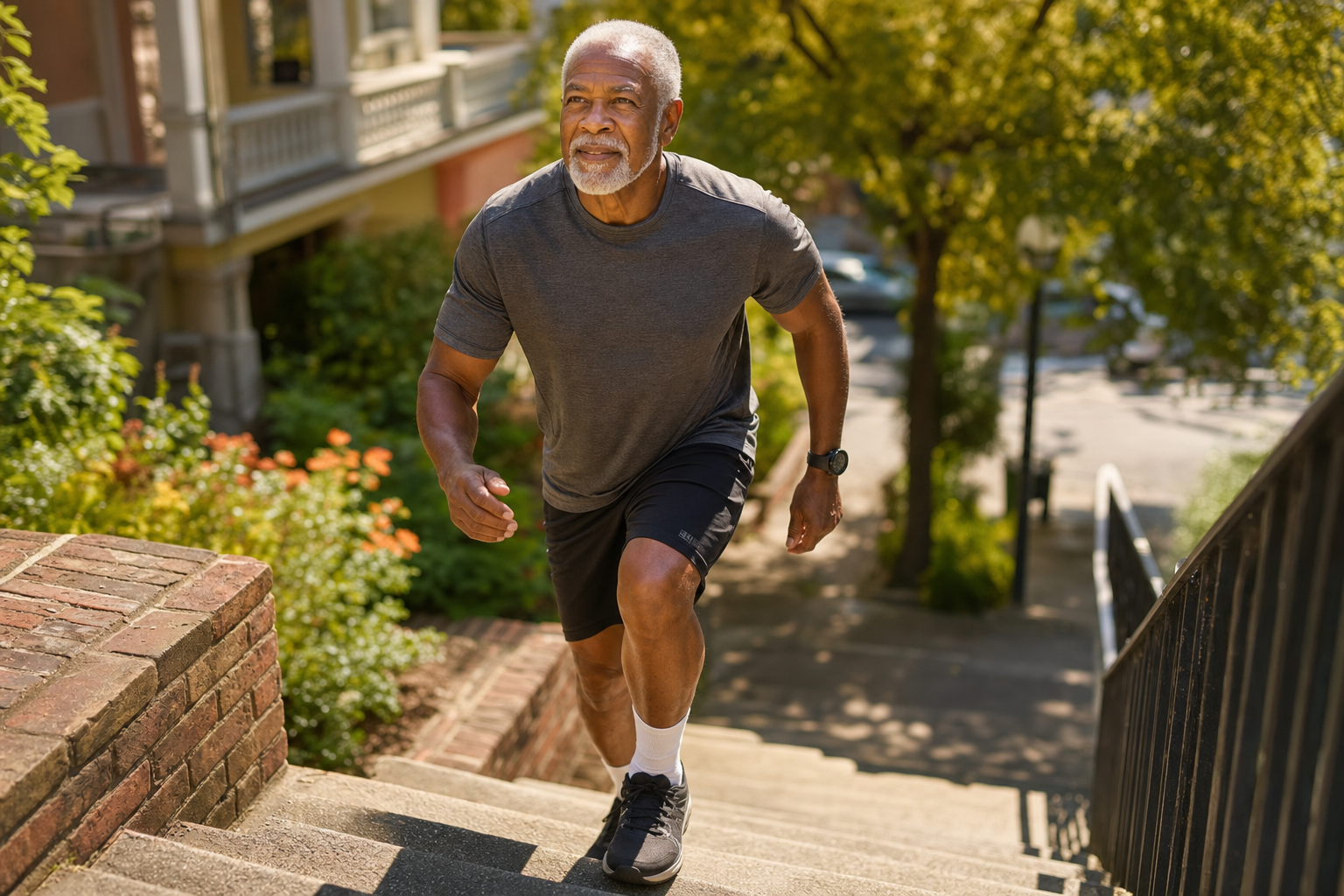
- Climbing stairs confidently, without gripping the railing like your life depends on it
These aren't small wins. They're the difference between depending on other people and staying independent — which is really what this whole conversation is about.
What to Expect at KVF: Built for Where You Are Now
At Kareem Vance Fitness in Olive Branch, the Silver Strong™ program was built specifically for adults navigating exactly this stage of life. This isn't a program where you get thrown in with 25-year-olds doing box jumps.
Every member starts with a real assessment — not a guess. Coach Kareem Vance, a certified performance specialist with 25+ years of fitness coaching experience and older adult specialist, evaluates your current mobility, balance, and strength before building a plan around your body, not a generic template.
Training happens in small groups, at a pace that respects where you're starting from. Progression is gradual and safe, because the goal isn't to impress anyone — it's to build real, lasting capability you can trust.
And no, you won't be comparing yourself to anyone in their 30s. Everyone in the room is working toward the same kind of goals you are: moving better, feeling steadier, and staying independent longer.
A Real Result We See Often
One of our members, a woman in her late 60s, came to us after a fall in her kitchen left her shaken and afraid of it happening again. She wasn't in bad health — she just hadn't done any real strength training in over a decade.
Within a few months of consistent, small-group training, she was getting up from the floor without help, walking her neighborhood loop again, and — in her words — "finally not thinking about every step." That's not a dramatic transformation story. It's just what happens when the right kind of training meets a little consistency.
Ready to Feel Steadier? Here's Where to Start
Kareem Vance Fitness — Olive Branch, MS. Stronger for Life.